Tractor Grass Baggers: A Greener Approach to Lawn Care?
Want a healthier lawn without relying on excessive chemicals? Tractor grass baggers offer a potential solution. These attachments transform your riding lawnmower into an efficient yard cleanup system, collecting grass clippings and contributing to a more sustainable lawn care routine. But how effective are they, and are they right for you? Let's explore the benefits, limitations, and best practices for using tractor grass baggers. For more in-depth information, check out this helpful guide: Learn More.
How Tractor Grass Baggers Work: Efficient Grass Collection
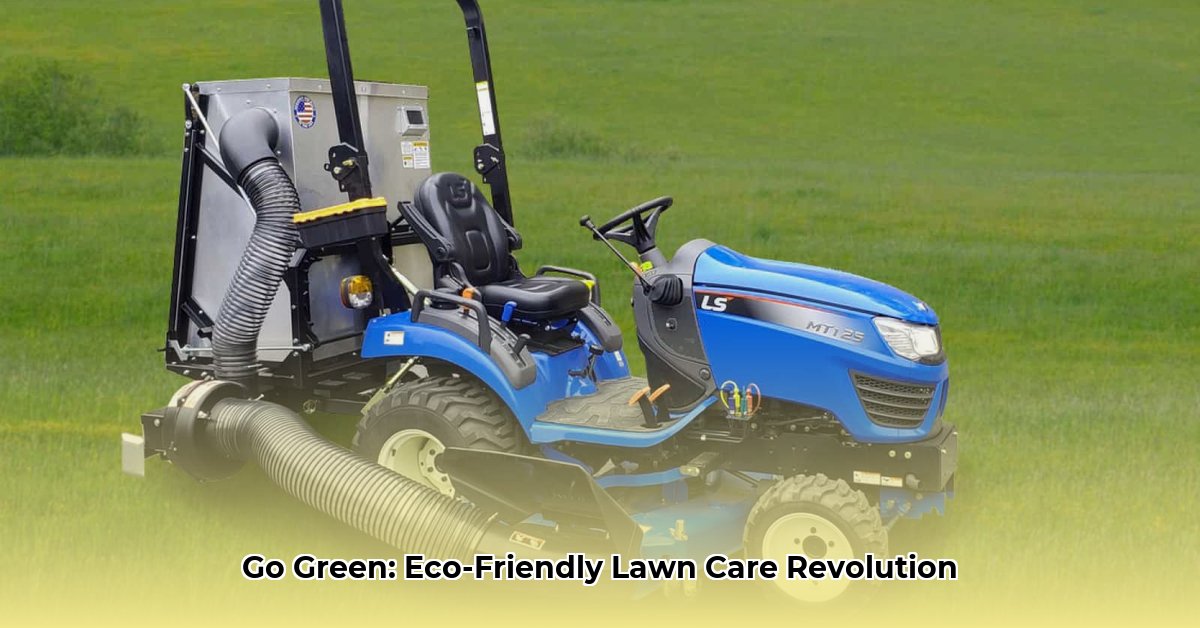
Tractor grass baggers function similarly to large-scale lawn vacuums. Attached to your riding mower, they collect cut grass clippings into a bag or series of bags. Some models offer mulching capabilities, finely shredding the clippings before collection. The collected material can then be composted, reducing waste and providing nutrient-rich soil amendment. The choice between single large bags or multiple smaller compartments influences convenience during emptying.
Benefits of Using Grass Baggers: A Healthier Lawn and Environment
Using a grass bagger presents several advantages for both your lawn and the environment. Firstly, it significantly reduces thatch buildup – the layer of dead grass and organic matter that can smother your lawn. By removing thatch, you promote healthier grass growth, which can mean less reliance on chemical fertilizers. This approach reduces chemical runoff, improving water quality and protecting local ecosystems. Secondly, bagging streamlines cleanup, eliminating the need for raking or blowing, saving you time and effort. Finally, the collected grass clippings can be composted, creating a valuable soil amendment. Isn't it remarkable how such a simple act can have such far-reaching benefits? Isn't this a more sustainable way to maintain your yard?
Limitations and Considerations: A Balanced Perspective
While offering substantial benefits, tractor grass baggers also present some drawbacks. The initial cost is often higher compared to mulching mowers. Emptying large bags can be time-consuming, particularly with sizable lawns. Furthermore, gas-powered tractors consume more fuel and generate emissions compared to electric alternatives. It is essential to carefully consider these factors before purchasing a bagger. For smaller lawns, a different approach, such as mulching, might be more suitable.
Choosing the Right Bagger: A Practical Guide
Selecting the appropriate bagger requires careful consideration of several factors.
- Lawn Size: Choose a bagger with sufficient capacity to handle your lawn's size. Overly frequent emptying defeats the purpose of convenience.
- Budget: Prices vary significantly depending on size, features, and brand. Establish a reasonable budget before starting your search.
- Compatibility: Ensure compatibility with your riding lawn tractor's make and model to avoid problems.
- Power Source: Consider gas vs. electric options. Gas models generally offer more power, but electric models offer lower emissions. Electric options, while often more expensive initially, boast a significantly smaller carbon footprint over their lifespan, making them a persuasive option for environmentally conscious consumers.
Maintenance and Disposal: Extending Lifespan and Reducing Waste
Regular maintenance, such as cleaning, lubricating moving parts, and promptly sharpening blades, extends the lifespan of your bagger. Follow the manufacturer's recommendations for optimal performance and longevity. At the end of its useful life, recycle or dispose of the bagger responsibly according to local guidelines. This mindful disposal prevents unnecessary waste, further promoting eco-friendly lawn care practices.
Sustainability Implications: A Broader Perspective on Lawn Care
Adopting a tractor grass bagger contributes to a more sustainable lawn care approach, but it is only one component of a holistic strategy. Consider incorporating other eco-friendly practices, such as using drought-tolerant grass varieties, responsible fertilization (or even no-fertilizer methods), and adjusting mowing height to encourage healthy grass growth.
Conclusion: Toward a Greener Lawn
Tractor grass baggers provide a viable, environmentally friendly option for lawn care, but it is crucial to weigh the benefits and drawbacks according to individual needs. This requires a balanced assessment of factors such as cost, maintenance, and environmental impact. By choosing the right equipment and employing responsible lawn care practices, you contribute to a healthier environment.